ENGLISH
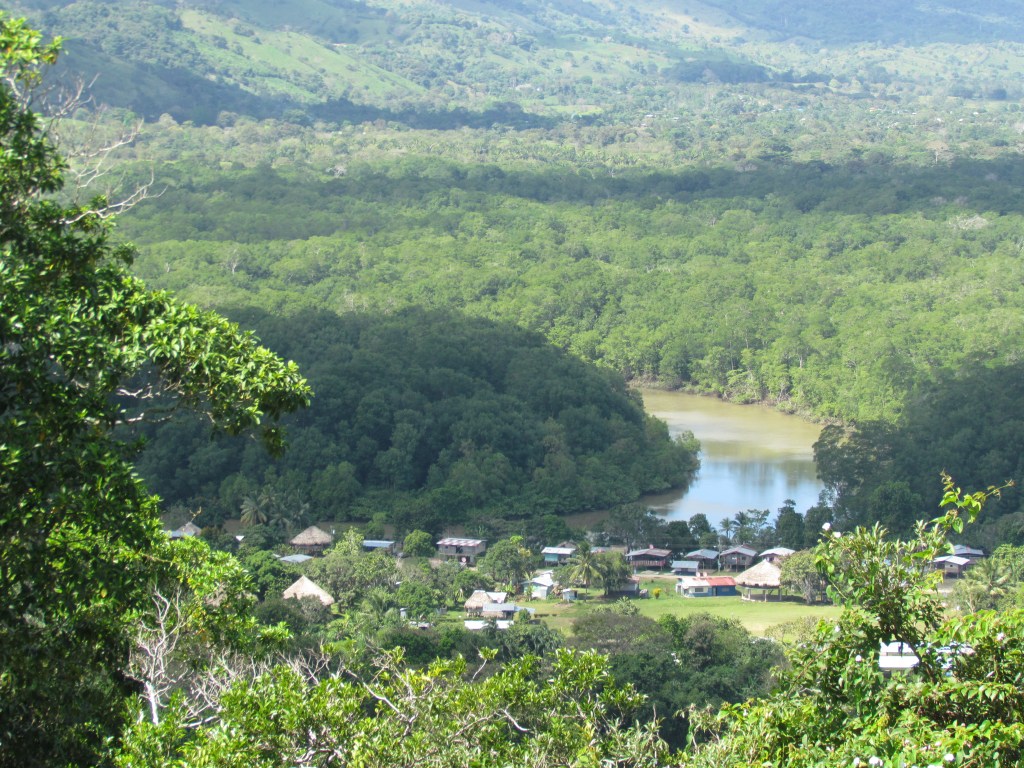
The Wounaan are an indigenous peoples in Central America (Panama and Colombia). They are a semi-nomadic peoples primarily residing in the Darien province of Panama and the Choco department of Colombia today.
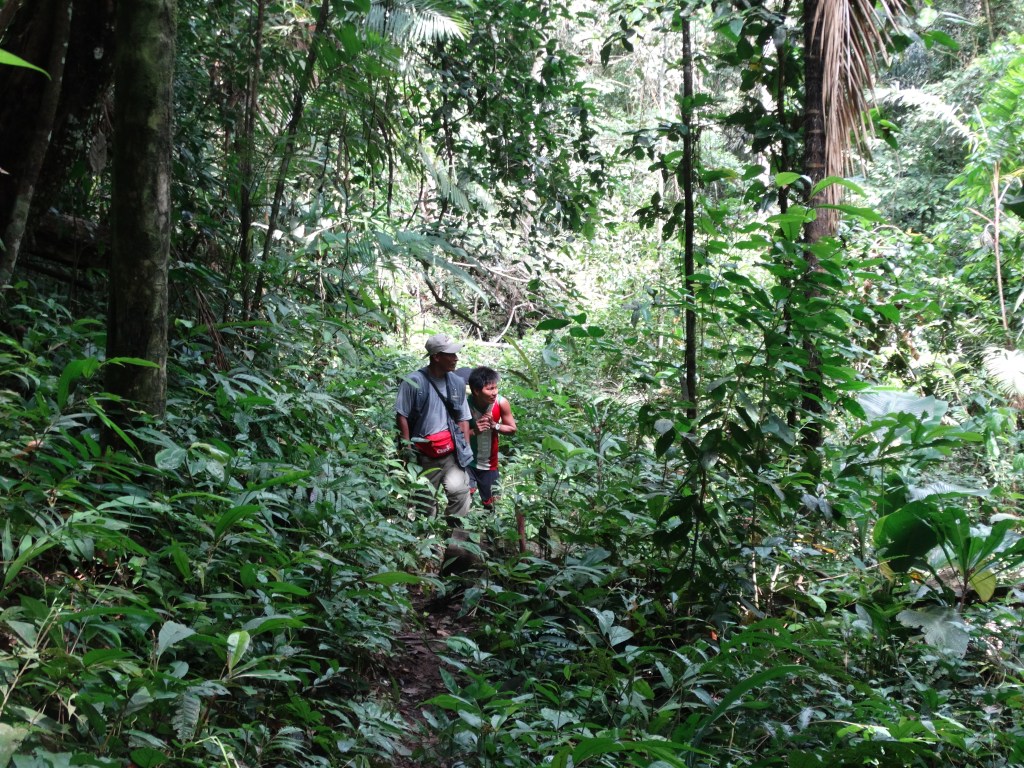
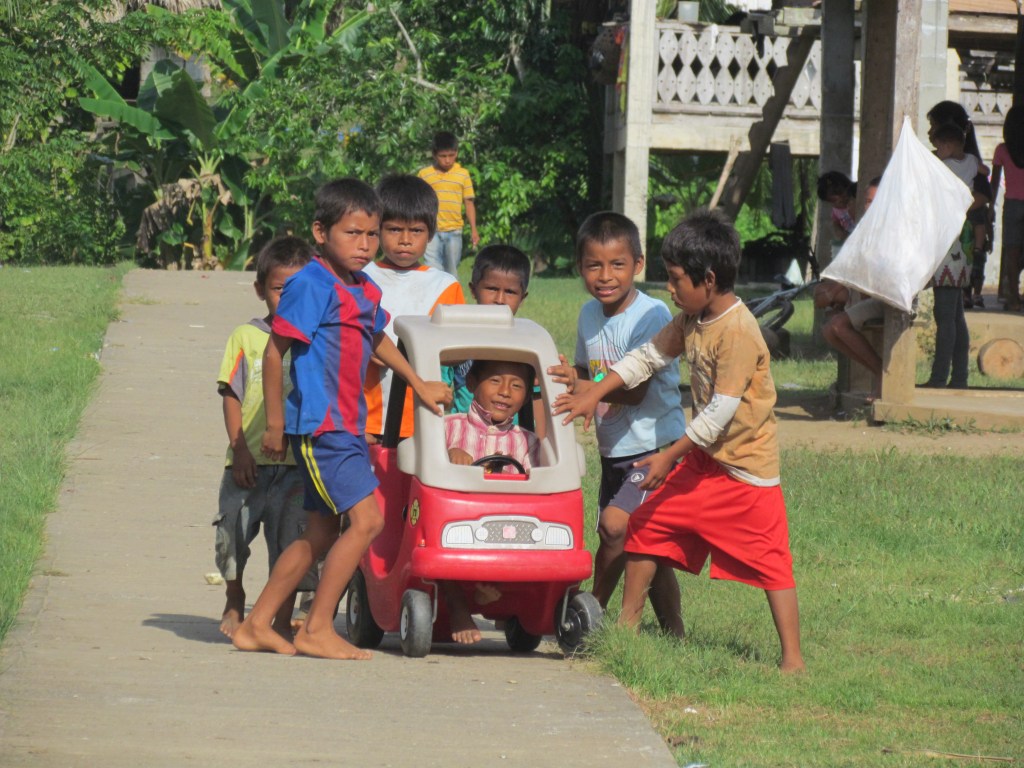
Photo by Michel Puech
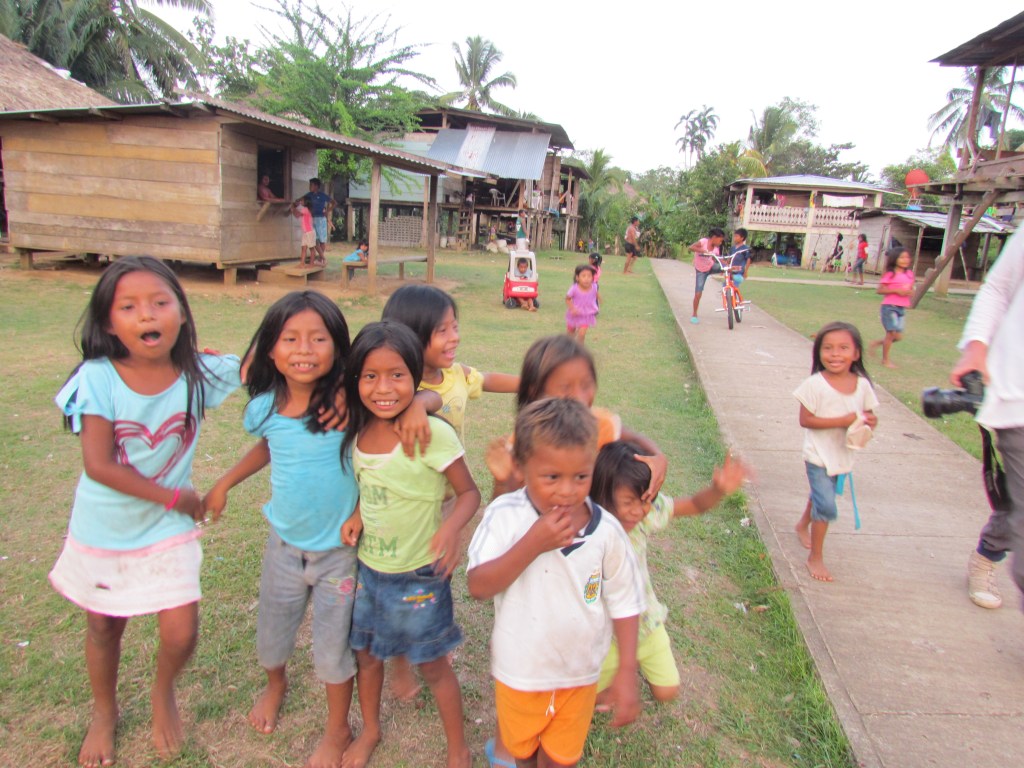
In Panama, they are often grouped together with the Emberá peoples, with whom they share the Emberá-Wounaan Comarca. The Emberá-Wounaan Comarca was founded in 1983 by the Panamanian government in Darien. The Wounaan (with approximately 8,200 living in Panama per most recent census data, though information from Wounaan community leaders themselves put this number closer to 30,000) face deep-rooted marginalization in Panama; from access to clean water to access to adequate healthcare and education.
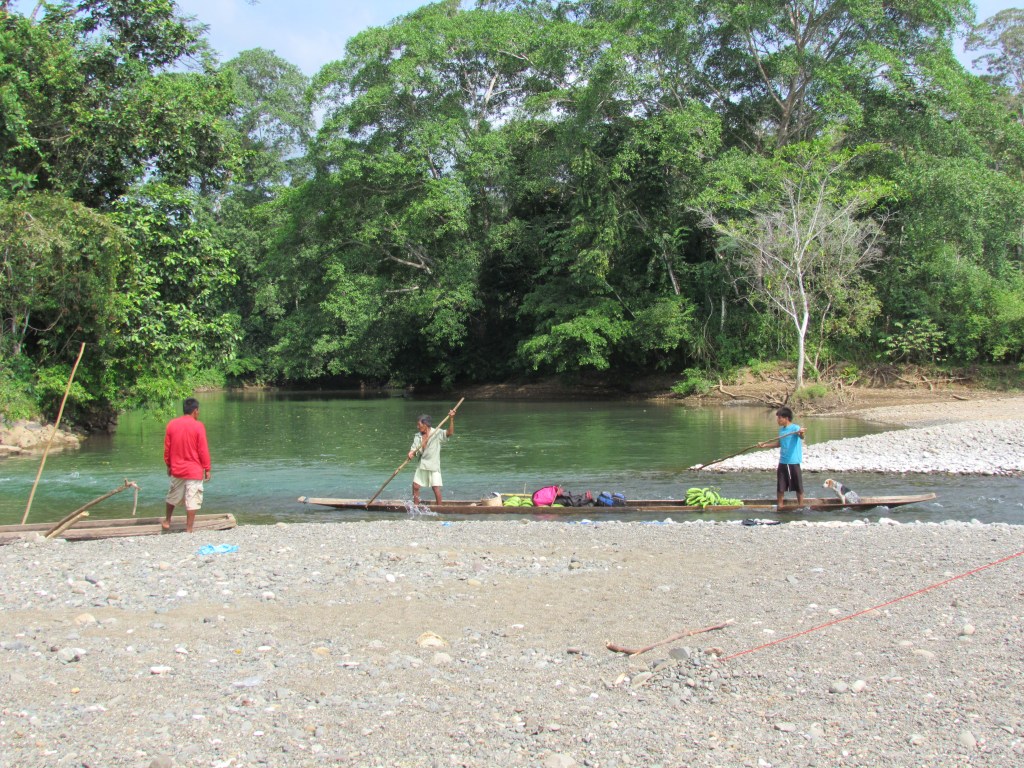
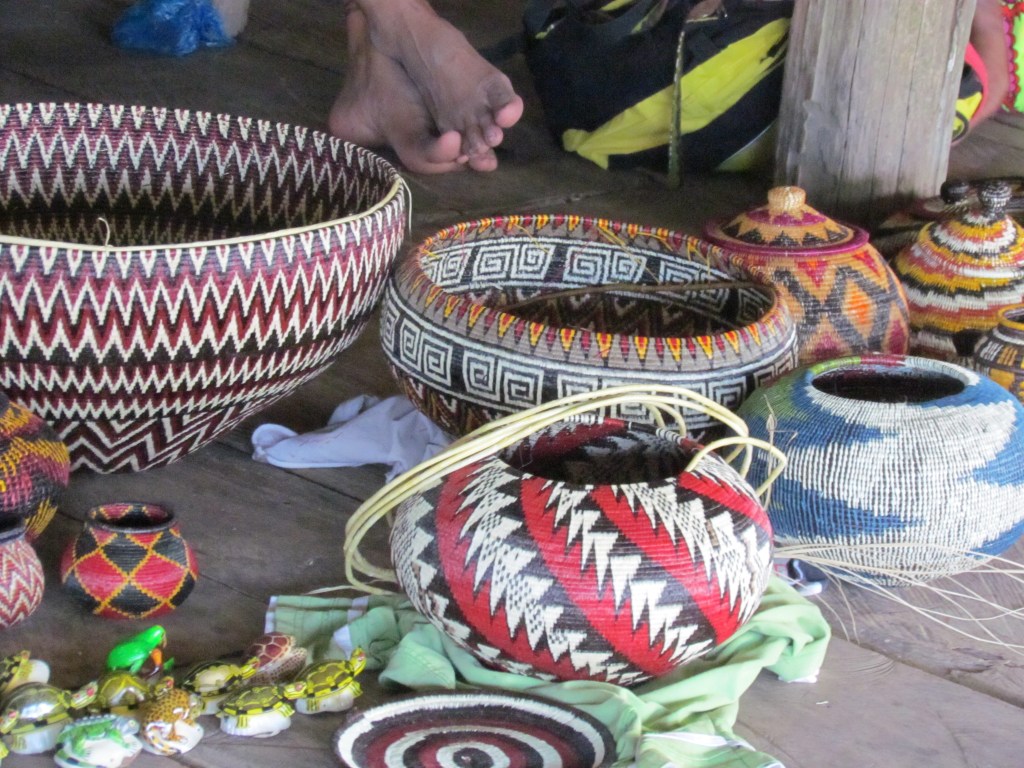
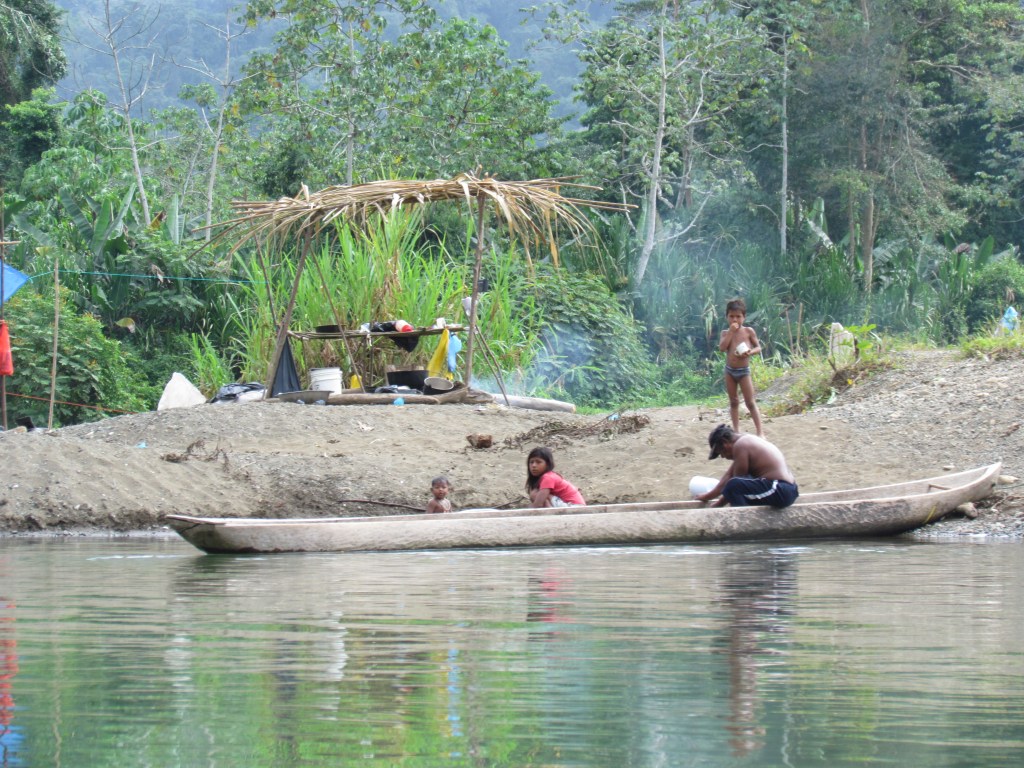
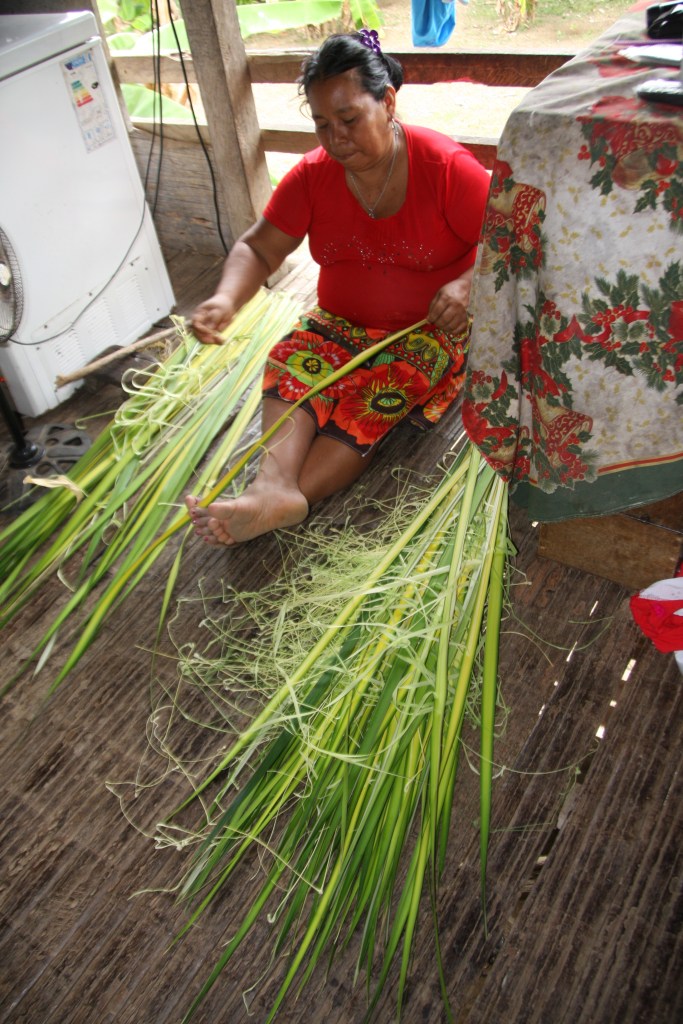
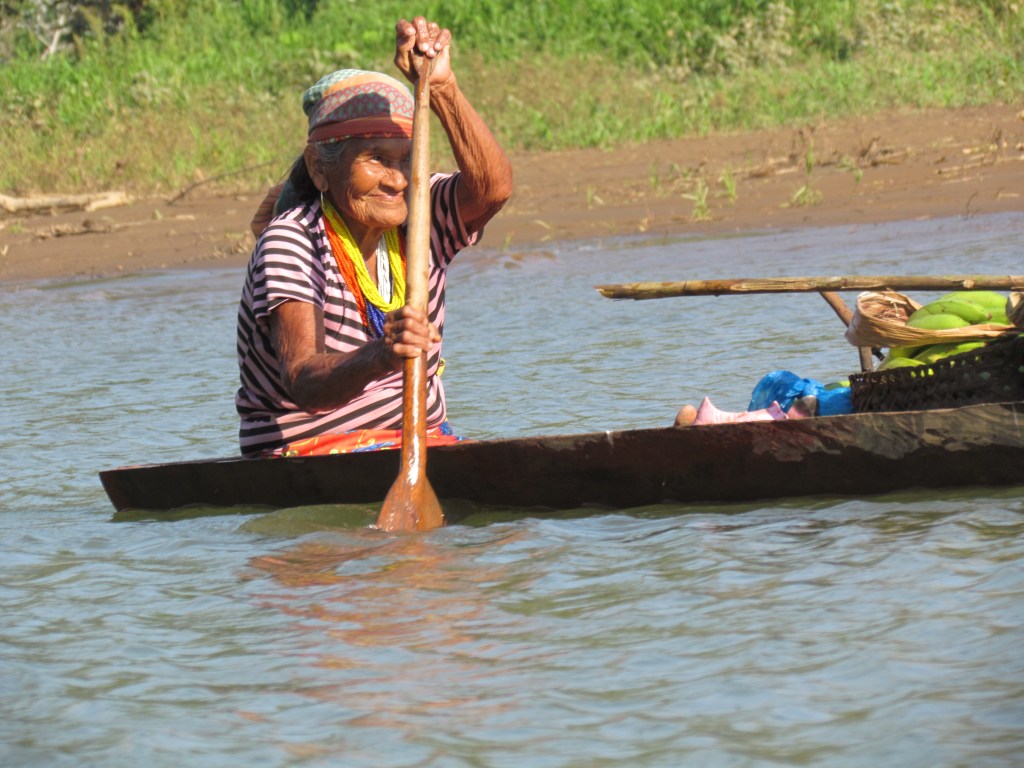
While the Wounaan share many cultural characteristics with the Emberá, they are recognized for their hösig di, or palm-fiber baskets, and dugout pirogues. Notably, though, the Wounaan language — known as woun meu or noanamá — is from the same linguistic family as the Emberá language (considered a Chocó language), it differs greatly. The Wounaan language is not written and is not taught in a formal setting. It differs greatly in use throughout different communities, with less isolated communities speaking a hybrid Wounaan that includes words in Spanish.
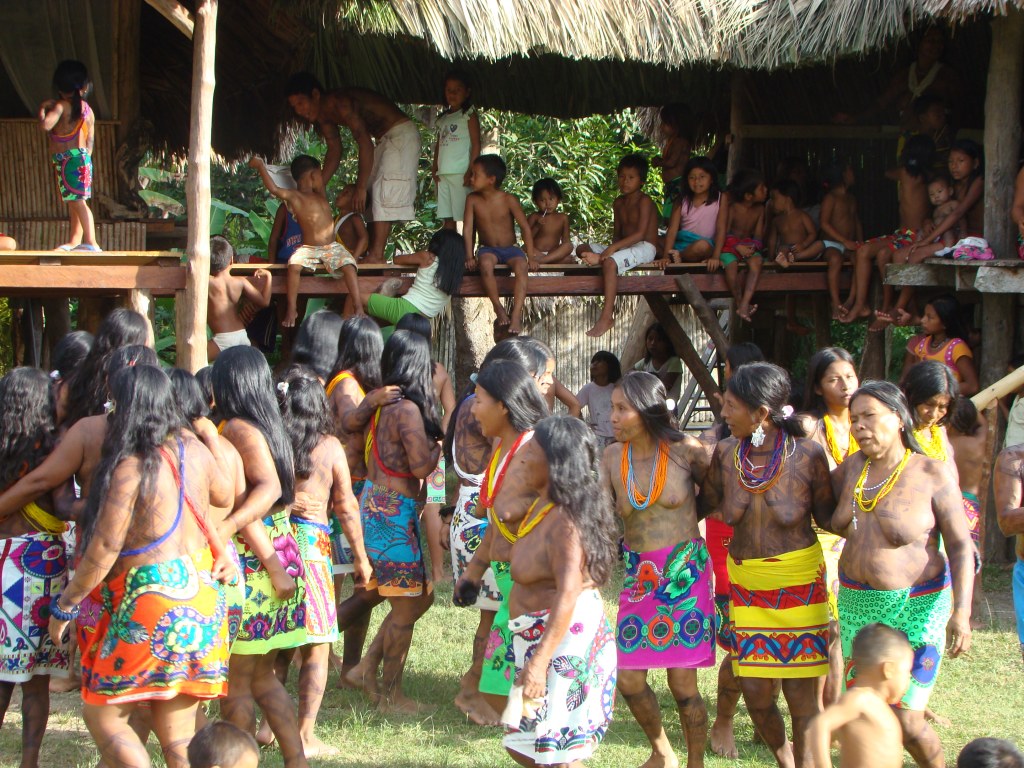
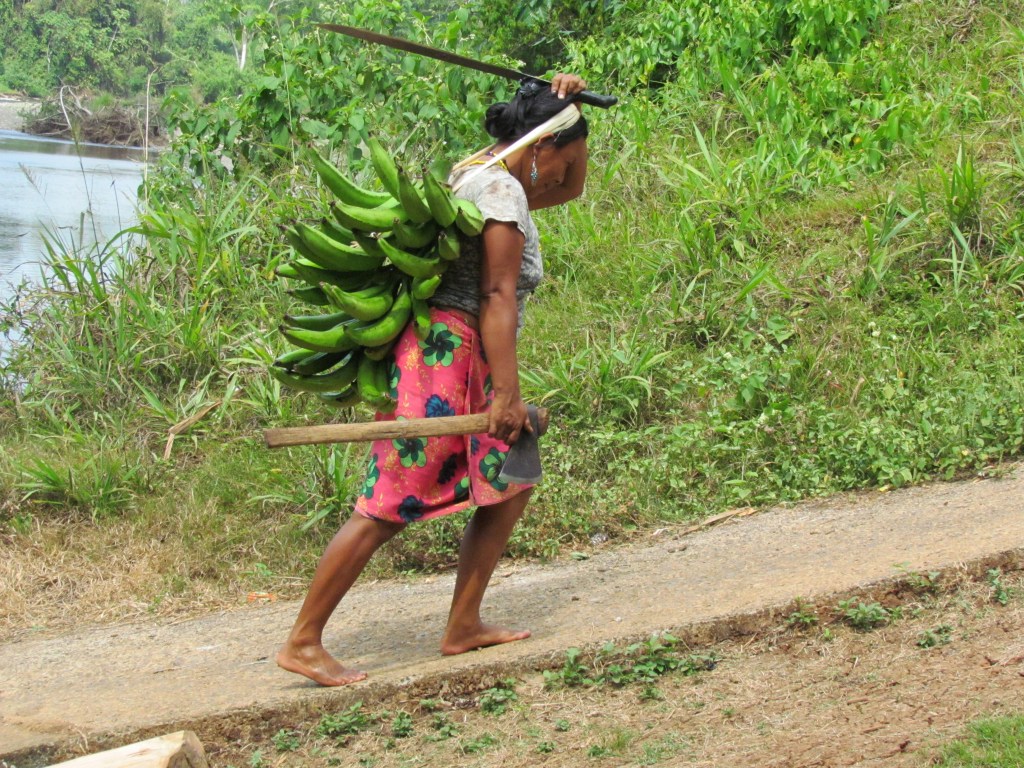
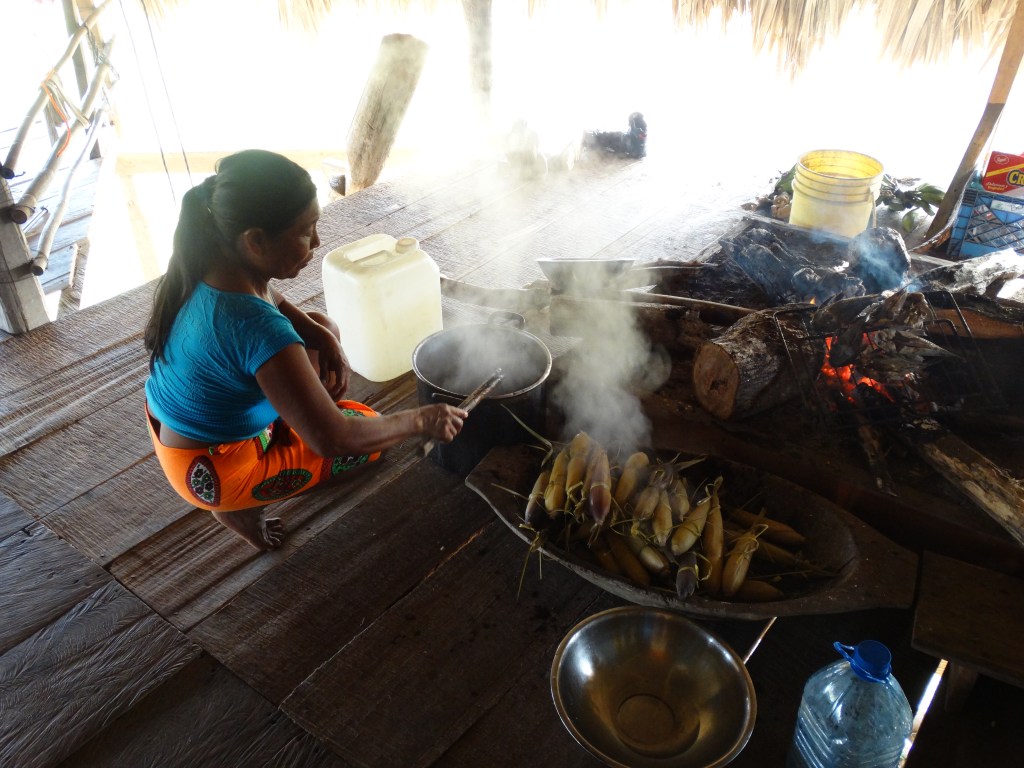
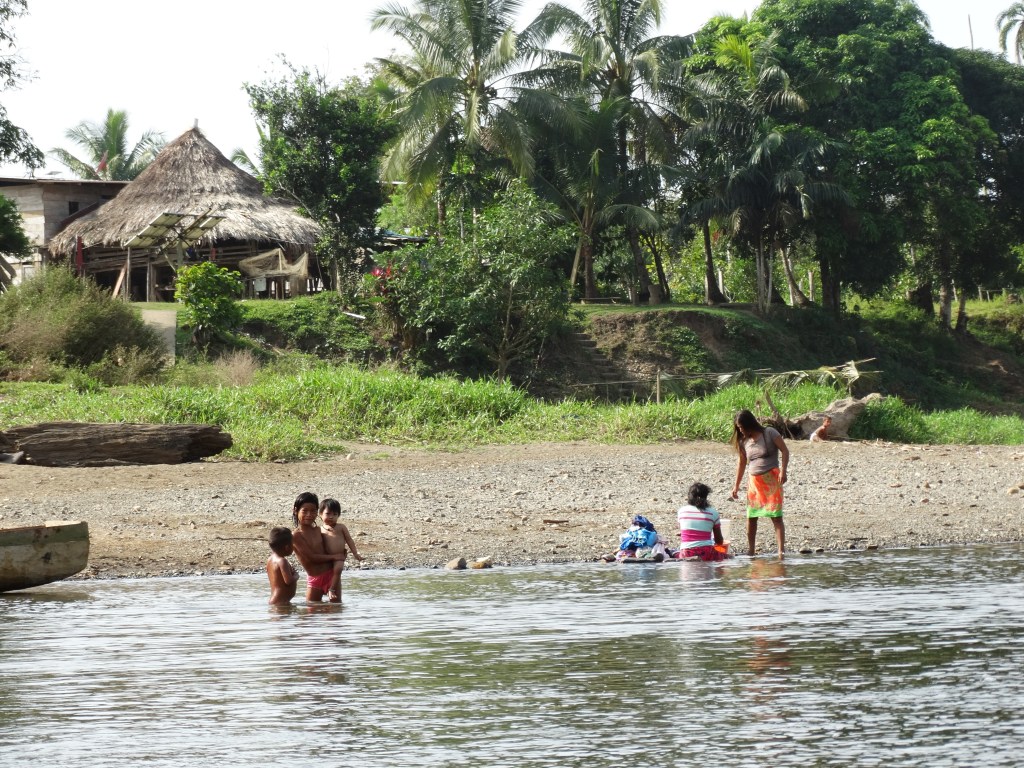
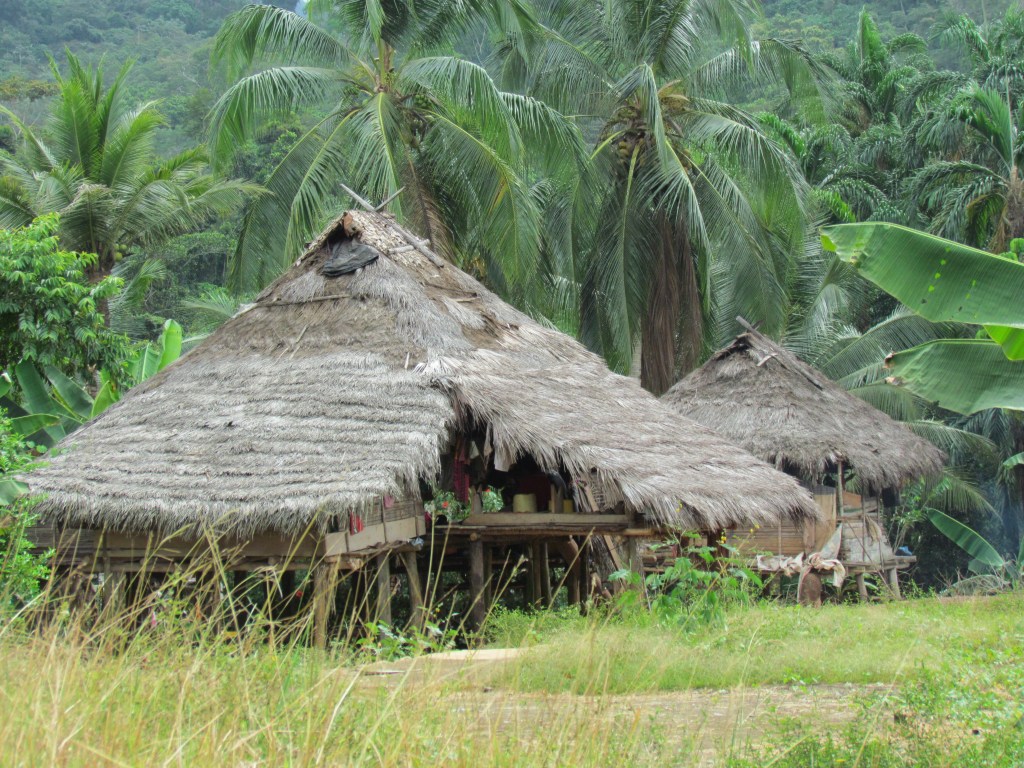
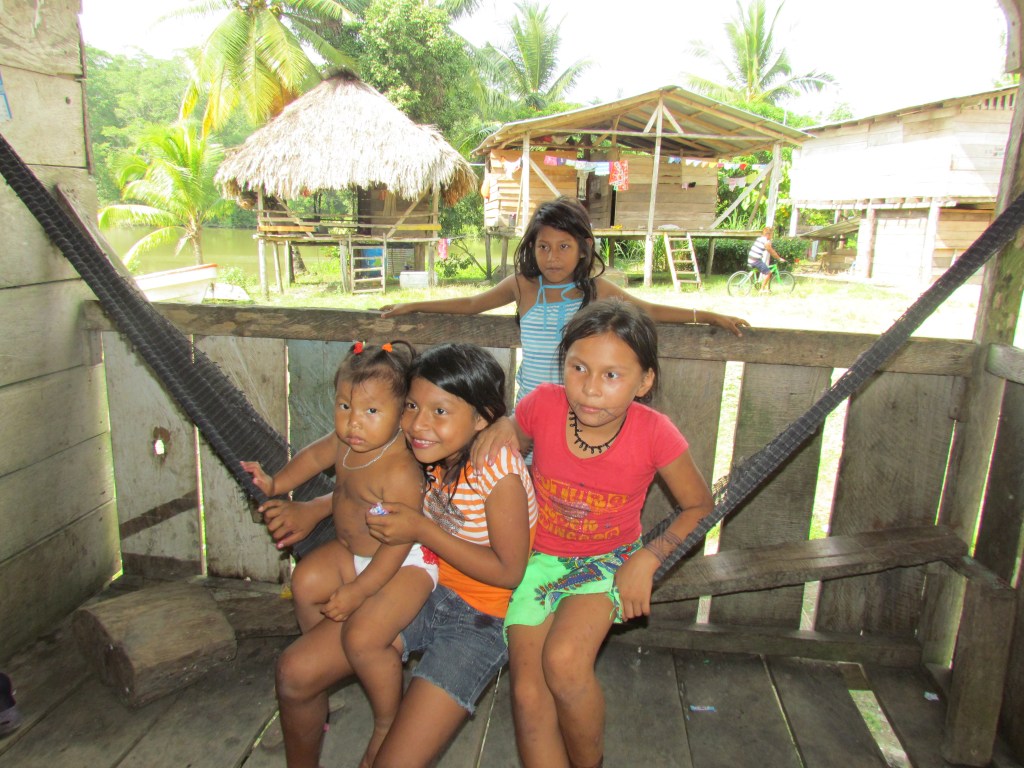
Wounaan culture can be characterized best through their way of life and their handcrafts. Wounaan communities are often located near rivers. Their houses are traditionally built on stilts with conical straw roofs. They are traditionally associated with living primarily off of hunting, fishing, and horticulture, but have adapted to Westernized education and industries.
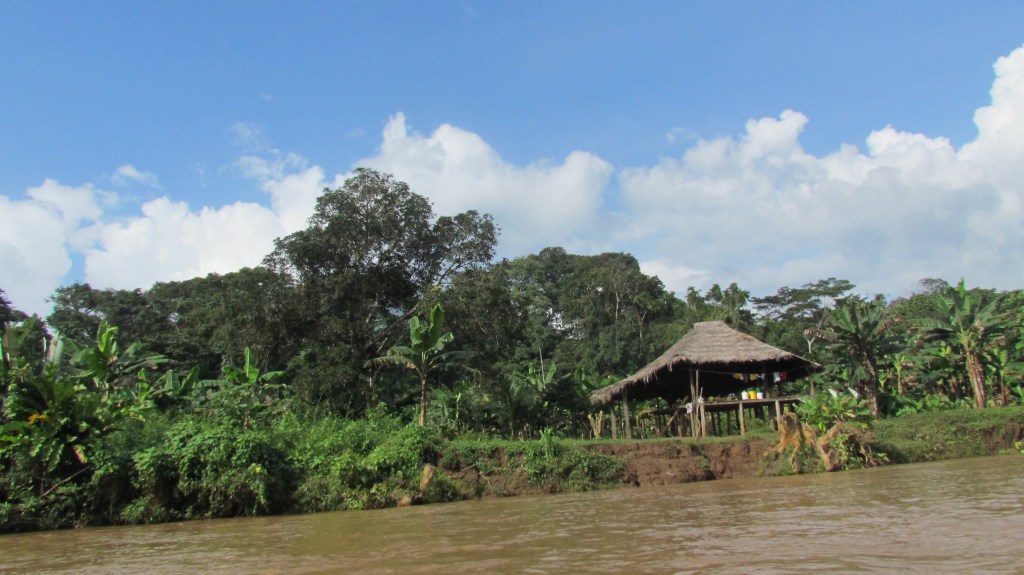
Photo by Michel Puech
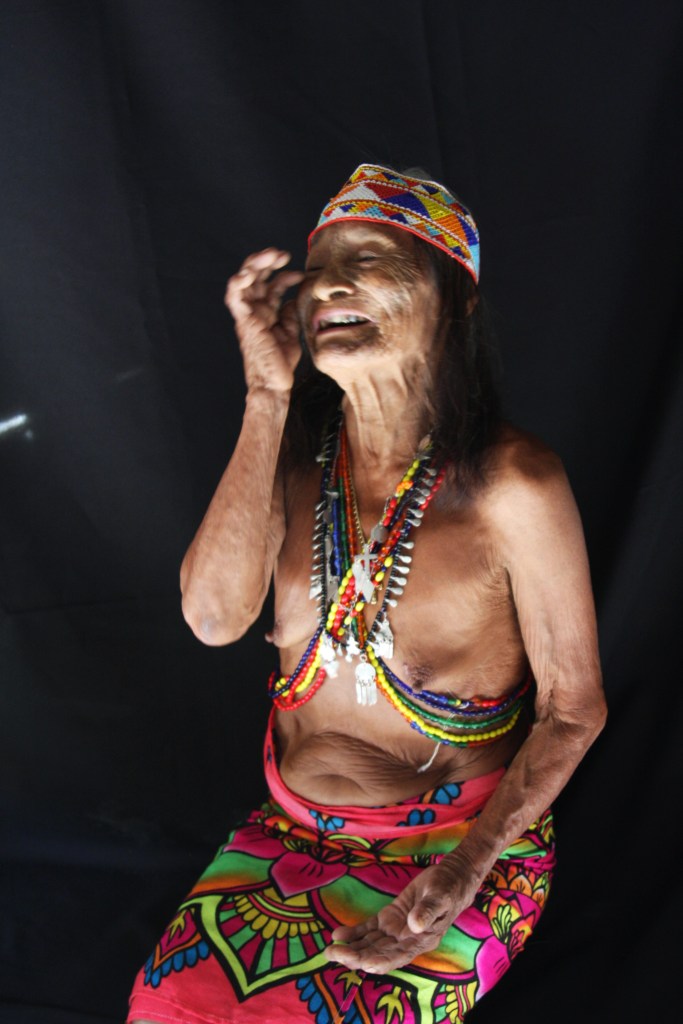
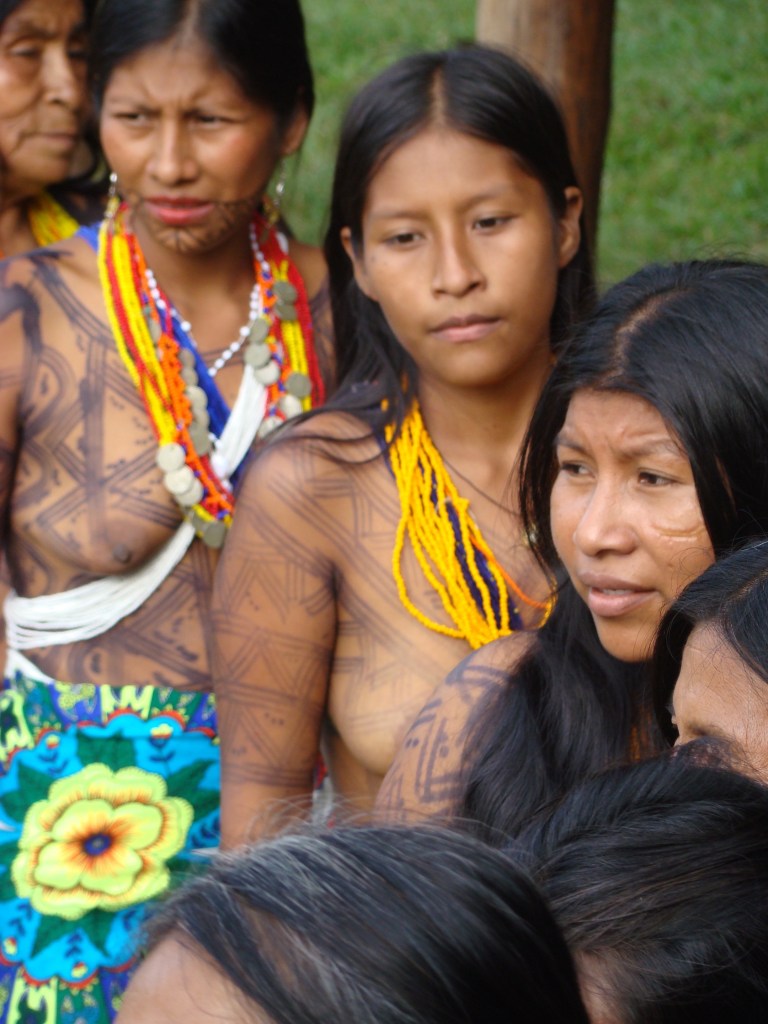
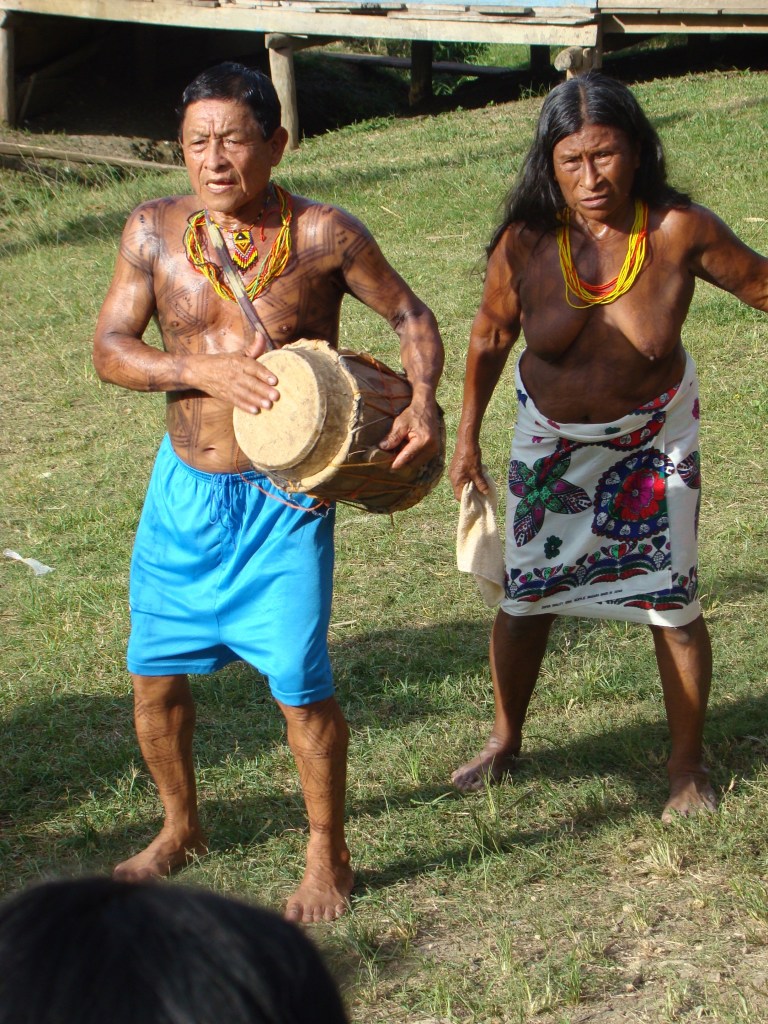
The Wounaan makes some of the handcrafts most recognizable to tourists in Panama. This includes paruma fabrics, typically used in skirts, chaquira jewelry, and handwoven baskets. The Wounaan also typically paint their bodies with jagua. Many attribute carvings of figures in tagua wood to the Wounaan as well, though the Emberá also make tagua carvings.
SPANISH
Los Wounaan son un grupo indígena en Centroamérica (Panamá y Colombia). Son un grupo seminómada que vive en la provincia de Darién en Panamá y el departamento de Chocó en Colombia.
En Panamá, son frecuentemente agrupados con los Emberá, con quien comparten la Comarca Emberá-Wounaan. La comarca fue fundada en 1983 por el gobierno panameño en Darién. Los Wounaan (con aproximadamente 8,200 viviendo en Panamá, de acuerdo a los datos de censo más recientes) enfrentan marginalización en Panamá; de falta de acceso a agua potable, a la falta de acceso a cuidado de salud y educación adecuada.
Mientras que los Wounaan comparten varios aspectos culturales con los Emberá, son reconocidos por su hösig di, o cestas de fibra de palma, y piraguas de madera. El idioma Wounaan — conocido como woun meu o noanamá — es de la misma familia lingüística que el idioma Emberá (conocidos como idiomas Chocó), son muy diferentes.
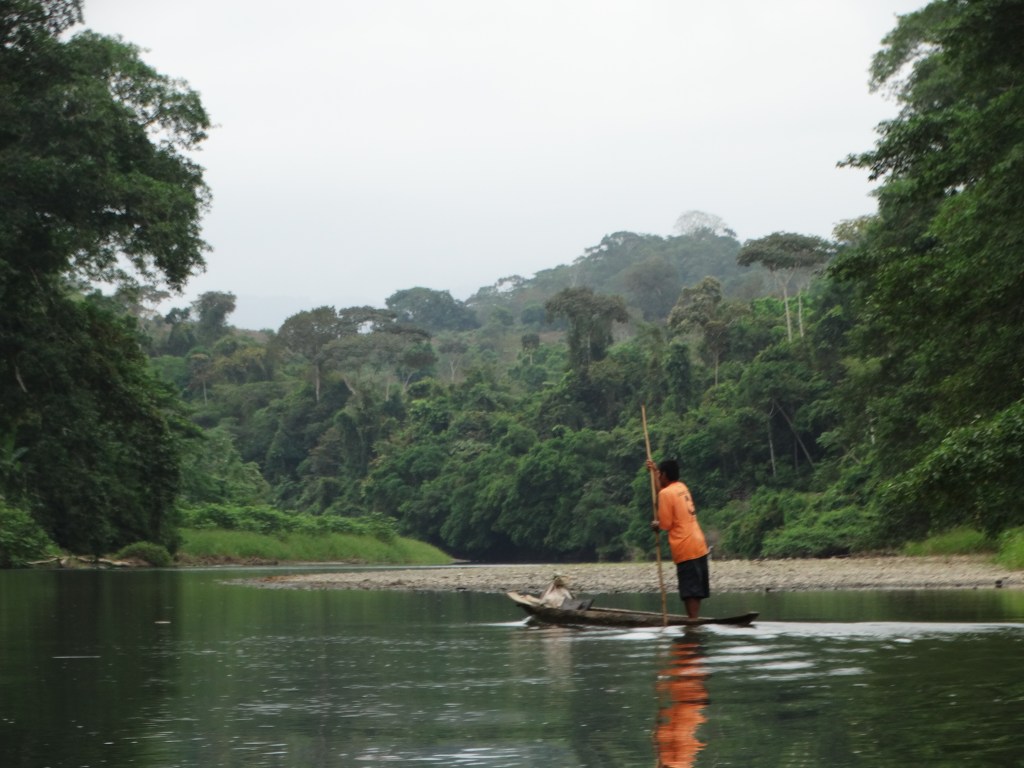
Photo by Michel Puech
El idioma Wounaan es verbal y actualmente no se enseña formalmente. El uso es distinto en las diferentes comunidades, con las más aisladas hablando una mezcla de Wounaan y el español.
La cultura Wounaan puede ser reconocida por su manera de vivir y artesanías. Las comunidades Wounaan son a menudo situadas cerca de ríos. Tradicionalmente, sus casas son construidas sobre pilotes con techos cónicos de paja. Tradicionalmente, vivían principalmente de la caza, la pesca y la horticultura, pero se han adaptado a la educación y las industrias occidentalizadas.
Algunas de las artesanías más conocidas por turistas en Panamá son hechas por los Wounaan. Esto incluye la tela de paruma (usualmente en forma de las faldas parumas), joyería de chaquira y cestas tejidas a mano. Muchos también atribuyen a los Wounaan tallas de figuras en madera de tagua, aunque los Emberá también hacen tallas de tagua. Los Wounaan también típicamente pintan sus cuerpos con jagua.
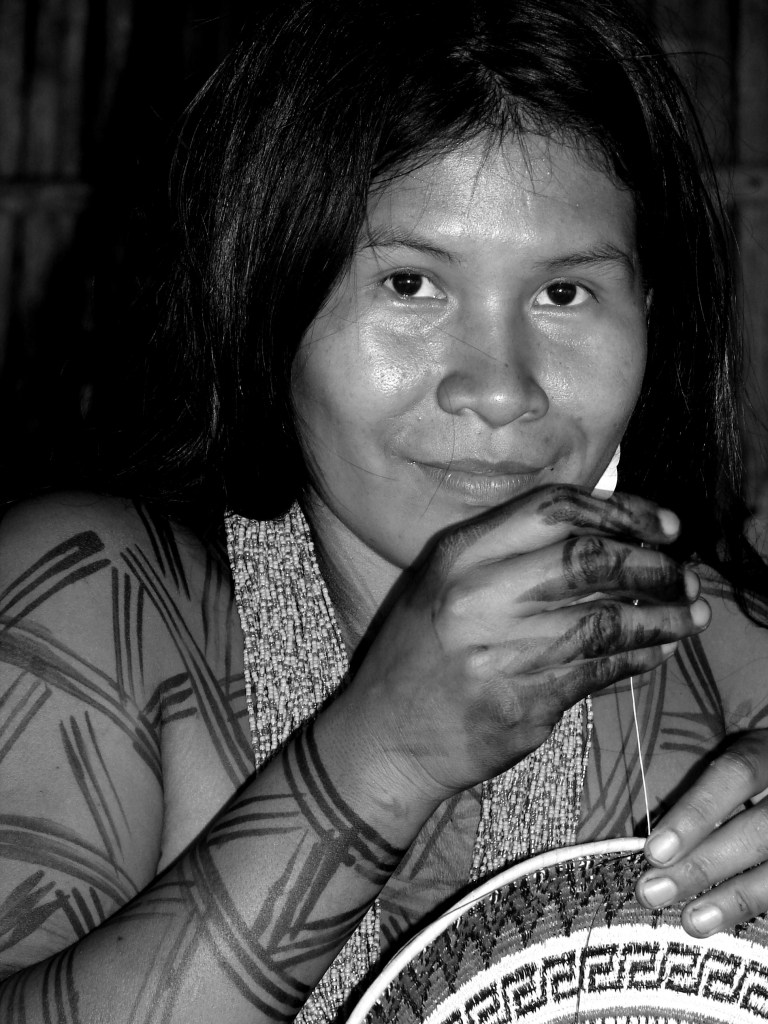
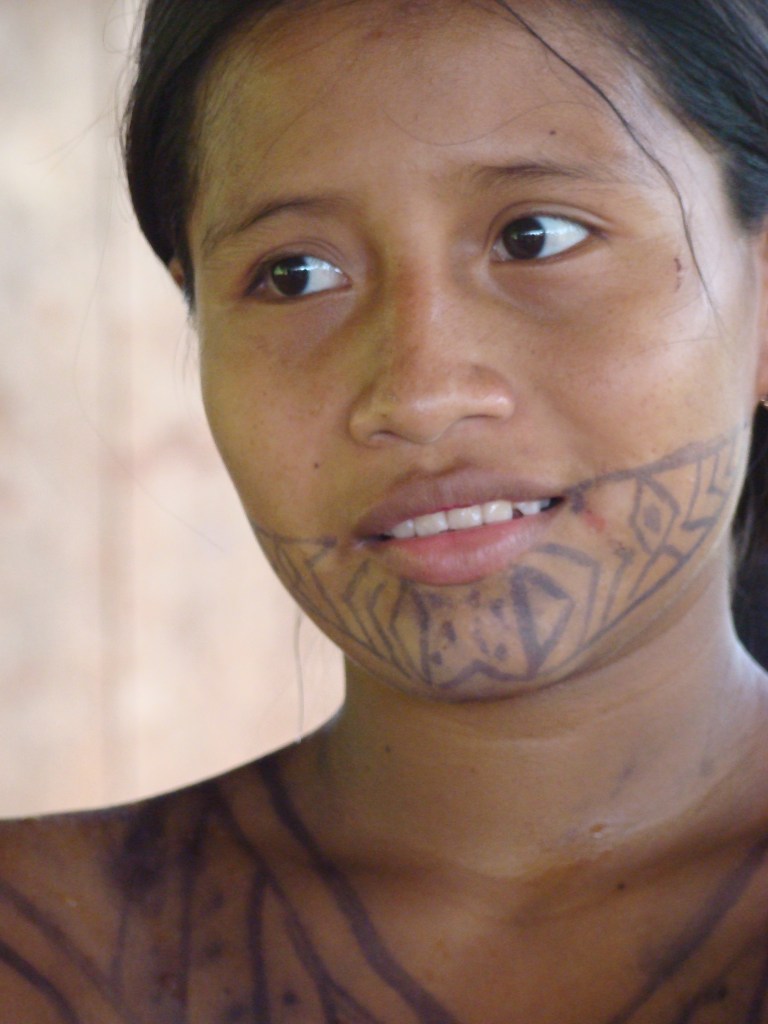
Photos by Michel Puech
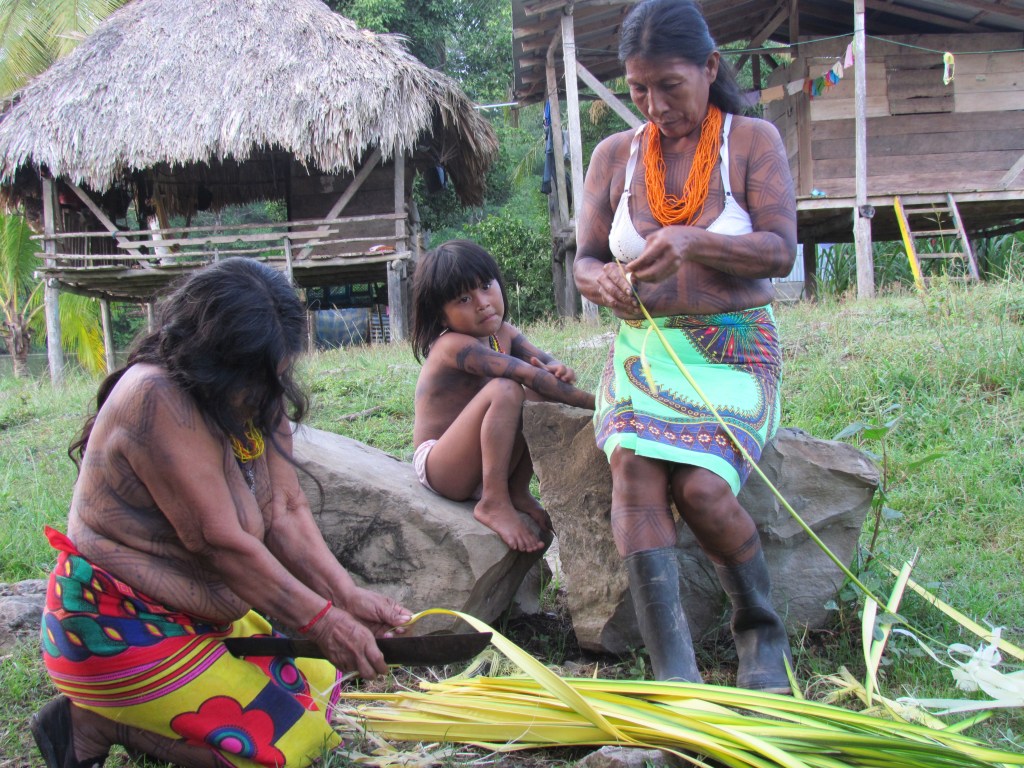

Photos by Michel Puech
 Lenguas Maternas Panama